
By Laura Zade
School libraries are much more than rooms full of books; they are joyful and engaging spaces where students learn essential skills like responsibility, empathy, critical thinking and developing a love of reading. Sadly, Ontario school boards struggle with chronic underfunding. Shrinking educational budgets are leaving libraries with little to no funding. This forces librarians and library technicians across the province to search for new and more creative ways of acquiring books for their students.
As a library technician in Ottawa, I receive no yearly budget. My school of approximately 450 students, nearly half of which are English as a Second Language students, relies on the library for most of their reading material. I know that an effective school library should contain high-quality books that not only support the curriculum, but also reflect the interests, reading-levels, community and heritage of the students. Without consistent yearly funding, librarians must rely on a more proactive approach to accessing resources.
Some typical ways school libraries access funding are through parent-council fundraisers, book fairs and grant applications. Unfortunately, not all schools have active parent council committees, and even if they are lucky enough to have funds generated by a parent council, there is no guarantee the money will be allocated to purchasing library books.
Book fairs are a fundraising method that rely on students and their families to purchase books; however, not all school communities are affluent enough to generate the minimum purchase amount for the library to earn free books. Grant applications also can be long, time consuming forms, and there is never a guarantee that funding will be awarded to the school.
So I’ve turned to other methods such as petitioning the public over social media and working with publishers to offer book reviews.

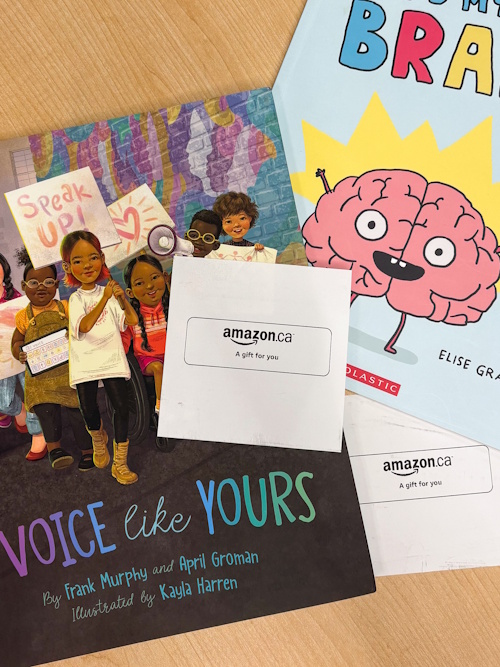
Social media has been a valuable tool. Over Instagram, I’ve been lucky enough to have friends, members of the larger community, and occasionally, even strangers purchase books off my school wishlist. The wishlist is something I update regularly to include new books for my students, as well as books that need replacing. This list is shared with my followers through a link on my profile. I’ve also leveraged the platform to connect with authors around North America, who have generously sent me their books, and some have even offered free virtual author visits for my students.

This social media presence has connected me with publishers and organizers within the book community. Many publishers use social media as a marketing strategy, which librarians can use to their advantage. Most reputable publishers are more than happy to send books to reviewers for free to help boost sales. Outside of work, I read these books and, if I feel they are of value, I share a review over Instagram. The books are then added to the library collection as a donation. Book reviewing can be a lengthy process and reviewers need to make sure they adhere to the Canadian Marketing Code of Ethics and Standards by disclosing sponsored reviews.
In addition to my work over social media, I also spend a lot of my free time hunting for books by visiting second-hand shops, scouring Facebook Marketplace and my local Buy-Nothing Group. I ask for donations, ask for discounts, and purchase what I can, when I can. Just like many other educators, I often spend my own money and time filling in the funding gaps.
The lack of funding for school libraries, and Ontario schools in general, is a growing crisis that threatens the future of education. The role school libraries play in literacy development, community building, and student well-being should not be overlooked. It’s time for parents, communities and educators to reach out to policymakers and ask for increased school funding so that our students can receive the resources they need and deserve.

Laura Zade is a former Ottawa teacher turned library technician who loves baking, knitting, and crafting. Follow her library journey on Instagram @mrszinthelibrary.